History of Ballet

Στην κατηγορία: Ballet
10 Ιανουαρίου 2023 | 19:53
Ανανεώθηκε: 15-01-2023, 12:08:30
Ballet originated in the Italian Renaissance courts of the 15th century. Men and women were treated to lavish events, especially wedding celebrations, where dancing and music created an elaborate spectacle. Dancing masters taught the steps to the nobility, and the court participated in the performances.
In the 16th century, Catherine de Medici — an Italian noblewoman, wife of King Henry II of France and a great patron of the arts — began to fund ballet in the French court. Her elaborate festivals encouraged the growth of ballet de cour, a program that included dance, decor, costume, song, music and poetry.
A century later, King Louis XIV helped to popularize and standardize the art form. A passionate dancer, he performed many roles himself, including that of the Sun King in Ballet de la nuit. His love of ballet fostered its elevation from a past time for amateurs to an endeavor requiring professional training.
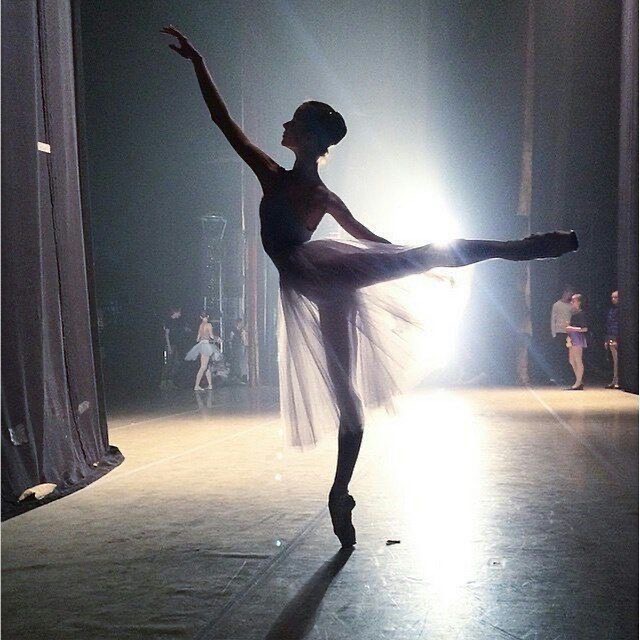
Early classical ballets such as Giselle and La Sylphide were created during the Romantic Movement in the first half of the 19th century. This movement influenced art, music and ballet. It was concerned with the supernatural world of spirits and magic and often showed women as passive and fragile. These themes are reflected in the ballets of the time and are called romantic ballets. This is also the period of time when dancing on the tips of the toes, known as pointe work, became the norm for the ballerina. The romantic tutu, a calf-length, full skirt made of tulle, was introduced.